A guest reaches the property after a long journey and looks for the information that will get them inside. At that moment, a clear handover matters more than an elaborate welcome message.
For an independent host, sending access details manually can be a small task that interrupts the whole day. Guests arrive while you are driving, preparing another room or dealing with a different request. A message that should have been routine suddenly needs your immediate attention.
StayUsher provides automated door code delivery for independent hospitality as part of a prepared arrival journey. Guests complete check-in, and the access instructions are released once the arrival time you configured has also been reached.
The aim is a boutique welcome that remains thoughtful even when you cannot meet someone at the door. You prepare the practical detail; StayUsher organises its delivery.
A good handover includes more than the code
The code is useful only when a guest knows where and how to use it. An apartment can have a communal entrance and a separate private door. A cottage can sit behind the wrong gate according to the satnav. A guest house can have different daytime and late-arrival routes.
Write the instructions around the actual arrival. Explain the parking position, identify the entrance and describe the access method in the order the guest encounters it.
StayUsher delivers the information you supply. The quality of that information comes from your knowledge of the place and your willingness to describe it from a visitor’s point of view.
That is where independent hospitality has an advantage. You know the awkward details that a generic arrival template cannot guess. Giving them a clear place in the handover turns that knowledge into something the guest can use.
Understand the two release conditions
StayUsher’s ordinary access release depends on two conditions: the guest has completed check-in, and the configured arrival time has been reached.
These conditions serve different purposes. Completed check-in means the requested guest preparation is done. The arrival time defines when the information is intended to become available for the start of the stay.
A guest who finishes the form several days early does not receive the access details immediately just because the form is complete. Equally, reaching the arrival time does not remove the need to complete the preparation.
Explain the sequence clearly in the invitation. Guests should know what to do before travelling and when to expect the next information. A predictable handover is more reassuring than a code appearing without context or a guest wondering whether an important message has been forgotten.
Prepare check-in before the journey
The access handover works best when the earlier preparation has a clear place of its own.
StayUsher’s online guest check-in collects the requested details and agreement acceptance through a browser link. Guests do not need a StayUsher account or an app installation.
Send the invitation early enough for the guest to understand and complete it. Keep the action focused, with the property and stay clearly identified. The wider information can sit in the guest portal.
Use the arrivals dashboard to review anyone who has not finished. If the arrival is imminent, deal directly with the outstanding request. The purpose is to have the preparation complete while there is still time to help, rather than discovering an unfinished form when someone is outside the door.
Match the configured time to the real arrival arrangement
The arrival time should reflect the way you prepare the property. It is a promise about the start of the stay, not simply a convenient number in a software setting.
Review it alongside the departure and changeover arrangements. Make sure the person preparing the accommodation understands the expected handover and any booking-specific agreement.
An estimated arrival time supplied by the guest is a different piece of information. Someone expecting to reach the area at midday has not necessarily been granted access to a room that is available later.
Keep that distinction clear when communicating. StayUsher handles the ordinary delivery rule; you remain responsible for deciding when the property will be ready and for confirming an exception. The guest should receive a consistent explanation across the booking, check-in and arrival information.
Use the access arrangement you already manage
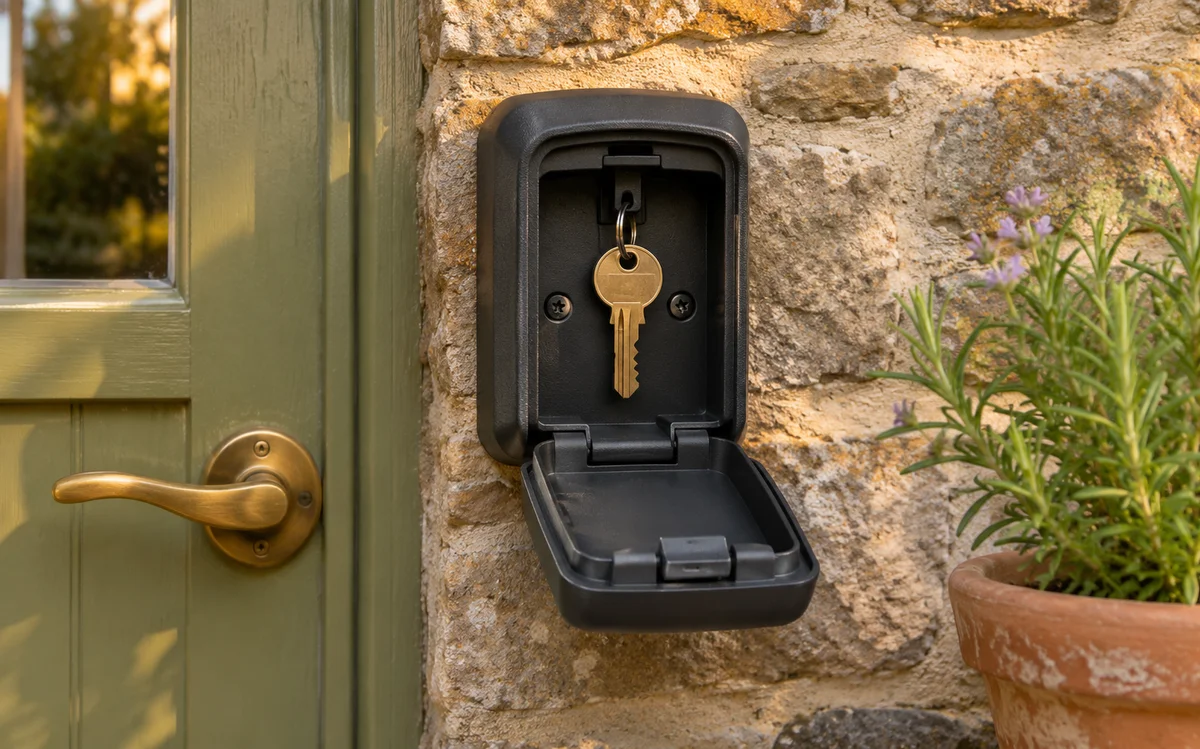
StayUsher can deliver instructions for an existing door code or key safe. The information might explain how to reach a communal entrance, where to collect a key and which door it opens.
The feature is the delivery of access information. It does not generate, rotate or revoke credentials inside a smart lock, and it does not remotely open the door.
That division is useful for independent hosts who already have an access setup that works. You can improve the timing and presentation of the handover without treating it as a project to replace the physical equipment.
Keep the equipment and its administration in your normal operating process. Test the key safe, check the code against the real device and update the instructions when an arrangement changes. Accurate delivery and a working access method are both part of a prepared welcome.
Write the instructions as a short journey
Start where the guest will first stop. Tell them what confirms they are in the right place, then explain the next action.
For a cottage, that might mean identifying the correct gate before describing the key safe beside the entrance. For an apartment, it might mean the building door, the floor and finally the apartment itself.
Use consistent names. If you call something the building entrance in one sentence, keep that wording in the next. Referring to several different doors as “the front door” forces the guest to guess which one you mean.
Keep each stage brief enough to follow on a phone. The handover should be usable with luggage in one hand, not written as though the guest is sitting comfortably at a desk. Clear sequencing is one of the simplest ways to make remote arrival feel more considerate.
Use a photograph where words leave room for doubt
An entrance photograph can confirm the answer to a practical question: is this the right door?
Choose images that help at the points where the guest makes a decision. A street-level view can distinguish a residential entrance from a shopfront. A close view can identify the relevant key safe where several similar boxes are nearby.
The image should support a written explanation, not carry the entire handover. Tell the guest what they are looking at and what to do next.
Review the photographs when the property changes. A repainted gate, replaced sign or altered parking arrangement can make an old image less useful. The guest sees the place as it is today, so the instructions should describe that same place.
Welcome cottage guests after a long drive
A rural arrival often includes a final stretch that is unfamiliar to the visitor and familiar to the owner. A correct postcode may still leave someone with several possible entrances.
Prepare the last part of the route carefully. Explain the turning, the place to park and how to identify the cottage. Keep the access instructions connected with those stages instead of sending a code alone.
For a location with uneven reception, encourage guests to review the necessary information while connected. Make the timing of access release clear so they can plan when to open it before the final approach.
The wider holiday cottage check-in guide covers travel preparation and the first evening. Automated access delivery should support that whole welcome, with the host’s knowledge available at the point where it helps most.
Separate communal and private doors in apartments
Apartment guests may need more than one instruction before reaching their accommodation. The building entrance, a parking barrier and the private door each have a distinct role.
Describe those roles clearly. Identify where the guest starts, which access detail applies there and how to reach the next stage. Include the floor or unit name where it prevents a wrong turn.
Keep the instructions specific to the booked apartment. Copying a familiar message from another property can leave the wrong entrance name or parking note in place.
StayUsher gives the handover a consistent delivery process, but the details still need to belong to the particular stay. Our serviced apartment article explains how to review the complete route from the street to the door.
Give guest houses a practical option for late arrivals
An owner can enjoy greeting guests personally and still need an organised way to welcome someone who arrives late.
Prepare the late-arrival route as carefully as the daytime welcome. Identify the entrance, explain the access method and make the route to the room clear. Include any relevant shared-house arrangements in the guest information.
The next morning can still begin with a personal greeting and a conversation about the visit. The earlier check-in can also collect breakfast preferences, giving the host useful information before service starts.
The point is flexibility that preserves care. You do not have to choose between being an attentive host and remaining beside the front door throughout the evening. A well-prepared handover can support the visit until you meet the guest.
Handle an early-arrival request as a decision
An early arrival may be straightforward on one day and impossible on another. It can depend on the previous stay, the changeover and the condition of the property.
Review the circumstances before confirming an arrangement. Make sure the people preparing the accommodation know what has been agreed, and check the information the guest will receive.
Keep the ordinary release rule understandable. Completing registration does not mean an early-access request has been approved. A guest should receive a clear answer rather than having to infer permission from a completed form.
StayUsher organises the routine sequence so you can deal with the exception deliberately. That is an important part of boutique hospitality: the host keeps the judgement that depends on the particular guest and the actual property.
Deal with an unfinished check-in before the guest reaches the door
An incomplete form may mean the guest overlooked the invitation, did not understand a request or needs help. The useful response depends on the reason.
Review check-in progress ahead of the arrival. Automated reminders handle the ordinary follow-up, while a direct message can resolve a particular question.
For a guest arriving soon, confirm that they have received the link and understand what remains to be completed. A clear explanation at that point is more useful than repeatedly sending the same unexplained request.
The aim is a prepared arrival, not a doorstep surprise. By keeping the outstanding work visible, the host can act while there is time to help and preserve the calm sequence the guest expects.
Keep changes to access details under control
A code or physical arrangement can change between preparing the property information and the guest’s arrival. Treat that as a change to the handover, not an isolated edit.
Update the working information and review which guests may already have received the earlier details. Contact affected guests directly when the change matters to their arrival.
Check any saved formats involved in the visit. A previous message or downloaded pass can still contain information the guest has already read. Confirm the details they will use instead of assuming that every copy has changed.
Then test the physical access method. The software can deliver the instruction accurately, but the guest still needs that instruction to match the door or key safe in front of them. Keeping those parts aligned is a practical responsibility of the host.
Provide a clear route to a person
Even a carefully prepared arrival can encounter an exception. A guest may reach the wrong building, lose access to their phone or find a physical problem with the equipment.
Give them a clear way to reach the person responsible for arrival help. Decide how that responsibility is covered when you are unavailable.
The contact route should sit alongside the ordinary information, so the guest does not have to search a marketing page for help at the door. Keep it understandable and appropriate to the way you run the property.
Automation and personal care work together here. The routine handover can happen in a consistent sequence, leaving the host or nominated contact better placed to respond when something needs judgement or practical assistance.
Test the full handover before the first live stay
Create a test arrival and follow the sequence from the check-in invitation through to the access information. Confirm the property, dates, supplied instructions and configured arrival time.
Read the information on a phone. Then stand where a visitor would first stop and follow each stage without adding an explanation from memory.
Test the physical equipment separately. Make sure the key safe opens, the code is current and the described route matches the site.
Ask someone unfamiliar with the property to try the instructions. Their questions show where the wording assumes too much. A small change to the sequence or a better entrance photograph can improve every later arrival using the same information.
Choose a more organised welcome
Automated arrival and access instructions are included in every StayUsher plan as part of the core guest check-in journey. The pricing page explains the wider differences in guidebooks, Wallet passes, team access and other features.
The purpose is a dependable handover that carries your care into the arrival, including the visits you cannot meet personally. Your knowledge shapes the instructions; the product handles the routine delivery.
For the information around the visit, connect the handover with your branded guest portal and local guidebook. Guests then have somewhere to return once they are inside.
StayUsher is built for independent hospitality because the ordinary details deserve attention. Prepare the handover properly, make the next step clear and let the guest arrive with a sense that someone has thought about their stay.
Questions about automated door code delivery
When are the access instructions released?
After the guest has completed check-in and the configured arrival time has been reached. Both conditions are part of StayUsher’s ordinary release sequence.
Can I use an existing key safe?
Yes. StayUsher can deliver your key-safe instructions. You continue to manage the physical key safe, its code and any changes to the access arrangement.
Does StayUsher generate smart-lock codes?
This feature delivers the information you provide. It does not generate, rotate or revoke credentials inside a smart lock.
Can I still greet guests in person?
Yes. You can continue welcoming guests personally. Preparing the access information gives you a consistent handover and an organised option for late arrivals or visits you cannot meet.